

What Social Media Doesn't Tell You About Being an Instructor
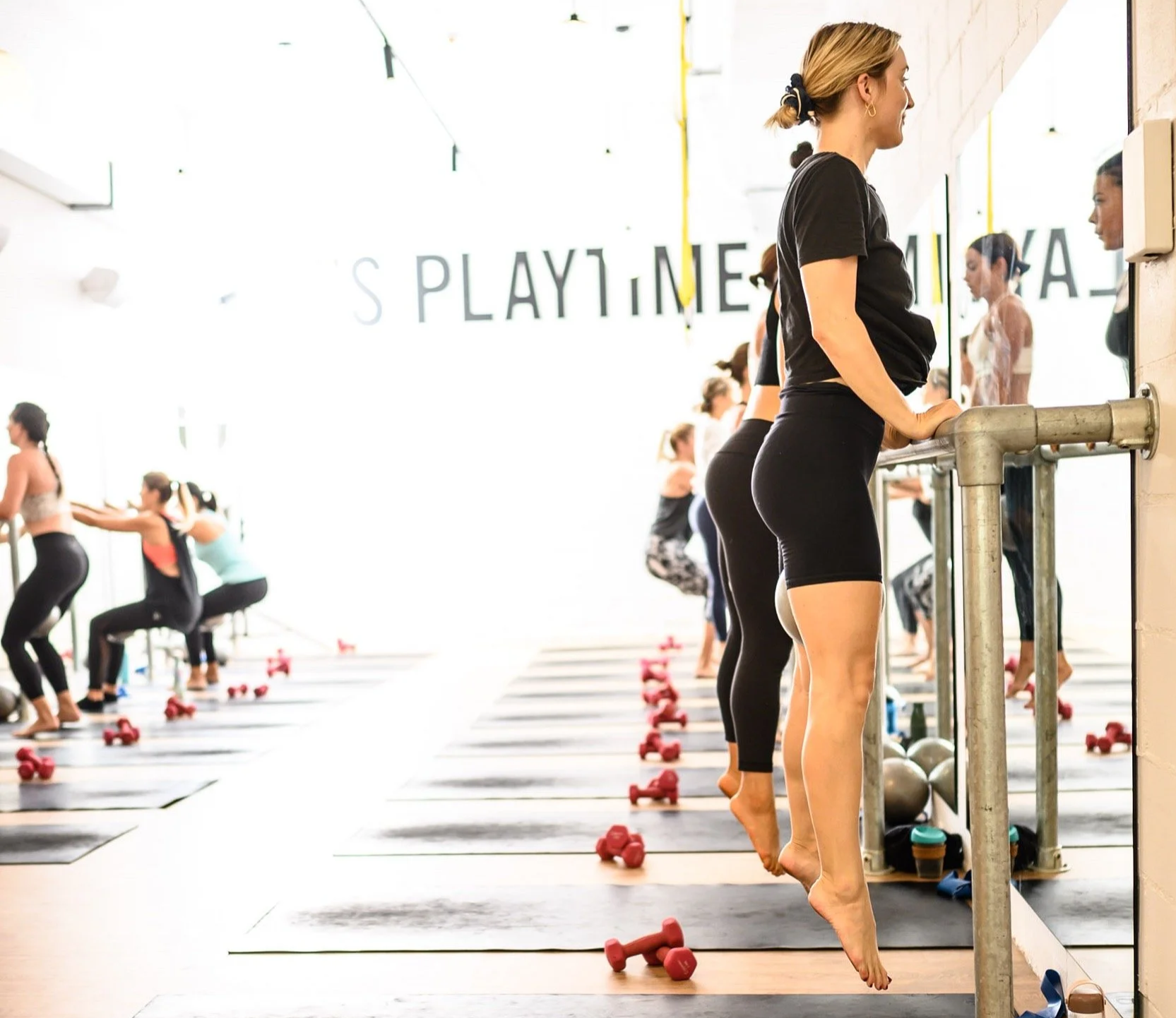
Scroll through instagram and you'll see packed classes, beautiful studios, matching activewear and smiling instructors who appear to be living the dream.
and, of course, those moments are real. teaching movement can be an incredibly rewarding career. but they're only one part of the story.
behind every confident pilates, barre or yoga instructor is a reality that social media rarely shows you. the early starts, the admin, the constant learning, the mistakes, the driving between studios and the days when you question whether anyone actually understands what you're talking about when you say "neutral pelvis" for the 400th time.
if you're thinking about becoming an instructor, or you're just starting your journey, there are a few things worth knowing.
first, the hours aren't always quite as glamorous as they look.
you'll often work when everyone else is free. early mornings, lunchtime classes, evenings and weekends can quickly become the norm. while your friends are meeting for brunch, you're teaching. while everyone else is sitting down to a family dinner, you're rushing home after your last class. there is flexibility in being an instructor, but it doesn't always look like the freedom people imagine.
and then there's the small matter of becoming good at it.
nobody walks into their first class and immediately becomes the instructor they admire on instagram. the teachers who look completely effortless now have usually taught hundreds, if not thousands, of classes to get there. they've forgotten choreography, muddled up their left and right, tried cues that made absolutely no sense, spoken for too long, not spoken enough and learnt, sometimes painfully, what actually works.
you have to be a little bit average before you become great.
experience really is one of the best teachers. there is no shortcut to standing in front of a room full of people and learning how to read the room, adjust your plan, manage your energy, explain an exercise in three different ways and somehow keep everyone moving to the music.
and your education doesn't end when you finish your initial qualification.
in many ways, that's when it really begins. great instructors stay curious. they keep learning about movement, anatomy, injuries, pregnancy, postnatal considerations, different populations, cueing and how people actually learn. they attend workshops, complete CPD, observe other teachers and, most importantly, keep questioning their own practice.
because being able to teach an exercise isn't necessarily the same as being able to teach it well.
you're also very quickly going to discover that being an instructor means being much more than an instructor.
for many people, especially those who are self-employed, you're also the business manager, marketer, administrator and accountant. you're sending invoices, organising insurance, renewing your CPR certification, planning playlists, finding cover when you're ill, covering someone else's class when they cancel and trying to remember whether you replied to that whatsapp message from three days ago.
then you walk into the studio and you're expected to be completely present, enthusiastic and ready to motivate everyone else.
there isn't always a safety net either. many movement instructors are self-employed, which can mean no paid sick leave and no annual leave. taking time off can mean losing income, and sometimes the classes that inspired you to become an instructor are the very classes you no longer have time to attend yourself.
it can also be surprisingly lonely.
you might spend your entire day surrounded by people and still barely speak to another instructor. you're driving between studios, eating lunch in the car, teaching a class and then getting straight back in the car to teach another one. studio owners are juggling their own schedules, instructors are working different hours and everyone is busy.
the community exists, but it doesn't always happen automatically. sometimes you have to make the effort to find your people.
and perhaps one of the biggest things to understand is that teaching movement comes with responsibility.
every body in the room is your responsibility.
you're not simply delivering a list of exercises. you're teaching people who may be pregnant, postnatal, recovering from an injury, managing a chronic condition or completely new to movement. you need to know when to modify, when to progress, when something isn't appropriate and when it's time to refer someone to another professional.
that's a privilege, but it's also a responsibility that shouldn't be underestimated.
so, with all of that, why do we keep doing it?
because despite the early mornings, the admin, the self-employment, the driving, the endless learning and the occasional moment of wondering why you thought teaching six classes in one day was a good idea, it's incredibly rewarding.
you get to help people feel stronger and more confident in their bodies. you see someone achieve something they never thought they could. you build relationships with clients that can last for years. you are constantly learning and, if you create the right balance, you can have a level of flexibility that many other careers simply can't offer.
teaching movement isn't always glamorous. it isn't always easy. and it certainly isn't as effortless as a 15-second instagram reel might make it look.
but if you're willing to keep learning, keep showing up, make mistakes, learn from them and genuinely care about helping people move well, it can be one of the most fulfilling careers you could choose.
at teim™, we believe great instructors aren't created overnight. they're shaped through education, experience, curiosity, practice, mistakes and a genuine passion for helping others.
and that's the part of being an instructor that no instagram post can ever fully capture.
